
One of the most practical questions homeowners in Malaysia ask before installing a power track system is straightforward. How much power can it actually handle? It’s a fair concern, especially when you start thinking about plugging in multiple appliances at once. From kitchen equipment to home office devices, the last thing anyone wants is to overload the system or compromise safety.
The answer isn’t a single number that applies to every setup. Power track capacity depends on design, rating, and how the system is used. But once you understand how load capacity works, it becomes much easier to use a power track confidently and safely in your home.
Before looking at the system itself, it helps to understand what “power load” means.
Every electrical device consumes power, measured in watts. Your electrical system delivers power based on voltage and current. In Malaysia, the standard supply is typically 240V, which plays a key role in determining how much load a system can support.
P=V×IP = V \times IP=V×I
This relationship explains how total power is calculated. Voltage multiplied by current gives you the total wattage capacity. For most residential systems, the current rating is what limits how much power can safely flow through the circuit.
Most power track systems designed for residential use in Malaysia are rated around 13A. When paired with a 240V supply, this translates to approximately 3000W of total load capacity.
In practical terms, this means your power track can support multiple devices at the same time, as long as their combined wattage does not exceed the system’s rating.
For example, you could run a laptop, monitor, and phone chargers simultaneously without issue. Even adding moderate appliances like a microwave or air fryer is usually manageable, provided the total load stays within limits.
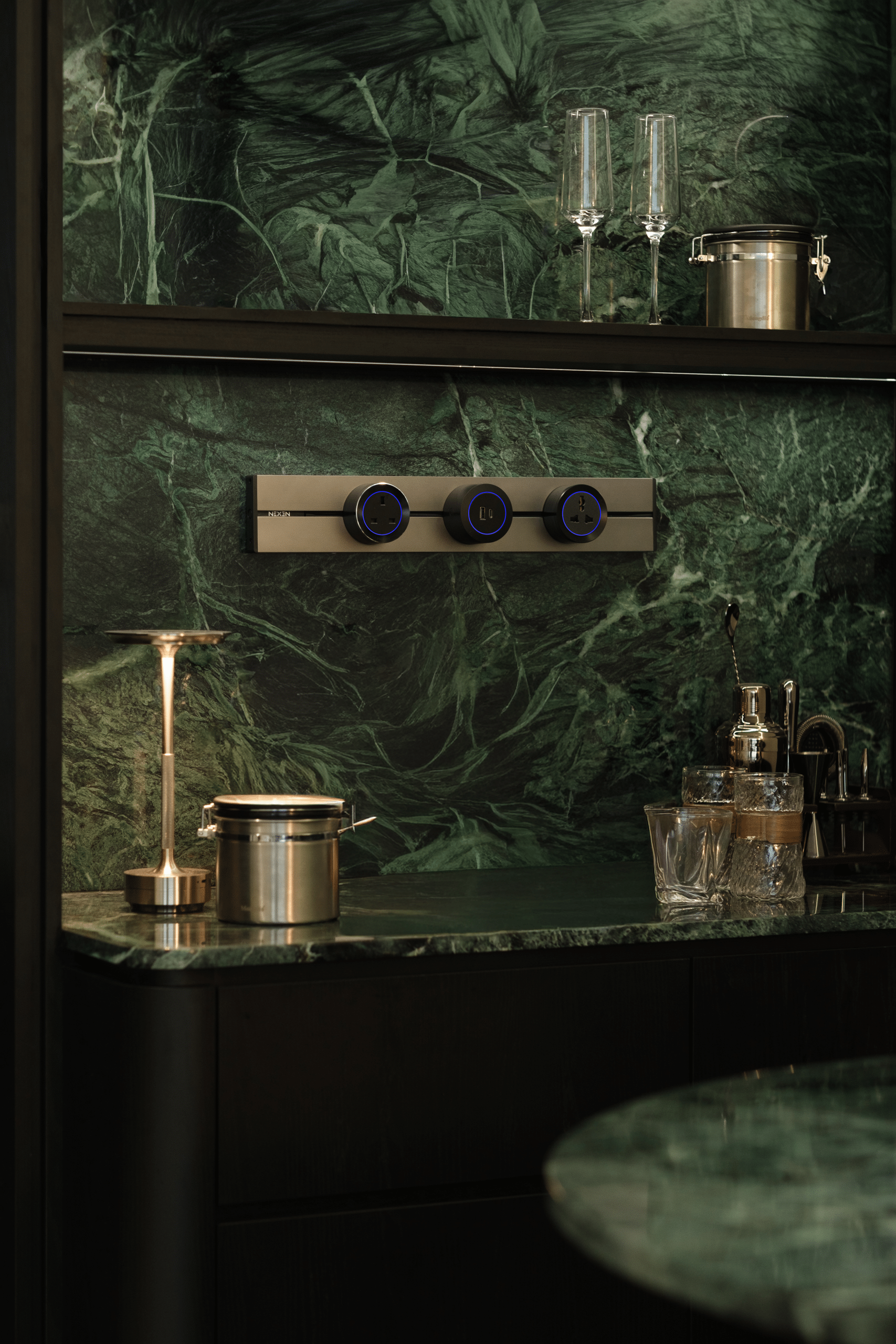
Load capacity isn’t just a technical specification. It directly affects how safely and efficiently your power track operates.
When too many high-power devices are connected at once, the system can become overloaded. This may lead to overheating, reduced performance, or in extreme cases, electrical faults.
In many Malaysian homes, this issue already exists with traditional setups. Extension cords and multi-plug adapters are often used to compensate for limited sockets, which increases the risk of overloading.
Power track systems reduce this risk by providing a structured and controlled way to distribute power. But like any electrical system, they still need to be used within their limits.
Not all devices consume the same amount of power, and this is where understanding your usage becomes important.
Low-power devices such as laptops, routers, and phone chargers use relatively little electricity. You can connect several of these without significantly affecting total load.
Medium-power appliances like televisions, desktop computers, and kitchen gadgets require more energy but are still manageable when used thoughtfully.
High-power appliances are where caution is needed. Items such as ovens, induction cookers, and kettles draw a large amount of power and can quickly approach the system’s limit if used together.
The key is not just how many devices you connect, but what type of devices they are.
This is one of the most common questions among Malaysian homeowners, especially during kitchen renovations.
The answer is yes, but with proper awareness. A power track can handle kitchen appliances, but you need to be mindful of the total load.
Using a blender and a coffee machine together is generally fine. Running a microwave, air fryer, and electric kettle all at the same time may push the system close to its limit.
The flexibility of a power track makes it ideal for kitchens, but it still requires sensible usage.
Modern power track systems are designed with safety in mind, and this includes protection against excessive load.
Many systems incorporate safeguards that prevent overheating or shut down the system if limits are exceeded. These features act as a safety net, reducing the risk of damage.
Additionally, high-quality systems are often tested against standards from organisations like the International Electrotechnical Commission, ensuring they meet strict safety requirements.
While these protections are important, they should not be relied on as a substitute for proper usage. Staying within recommended limits is always the safest approach.
Avoiding overload is less about strict rules and more about awareness.
Think about how many high-power appliances are running at the same time. If you are using multiple heavy-duty devices, consider spreading them across different power sources.
It also helps to understand the approximate wattage of your appliances. This gives you a clearer picture of how close you are to the system’s limit.
Spacing out usage is another simple strategy. Instead of running everything simultaneously, use appliances in sequence when possible.
These habits are easy to adopt and make a significant difference in maintaining a safe setup.
Load capacity is not determined by the power track alone. The supporting electrical circuit plays an equally important role.
If the circuit supplying the track is not designed to handle higher loads, it becomes the limiting factor regardless of the track’s rating.
This is why proper installation is essential. A qualified electrician can ensure that both the power track and the circuit are aligned in terms of capacity and safety.
In Malaysia, this step is particularly important for older homes where existing wiring may not be designed for modern electrical demands.
Compared to traditional setups, power tracks offer a more organised way to manage electrical load.
Instead of stacking multiple adapters into a single socket, you distribute connections along a track. This reduces strain on individual points and creates a more balanced system.
It also encourages better usage habits. When everything is clearly connected along a visible track, it becomes easier to monitor and control how power is being used.
Over time, this leads to safer and more efficient electrical management.
So, how much power can a power track handle? In most Malaysian homes, the answer is around 3000W, depending on the system and setup.
That’s more than enough for everyday use, provided you manage your devices responsibly.
A power track is not just about flexibility. It is about giving you better control over how electricity is used in your space. When used correctly, it becomes a safe, efficient, and reliable part of your home.
If you are planning to install a power track Malaysia system, understanding load capacity is the first step toward getting the most out of it while keeping your home safe.
Q: What is the maximum load of a power track?
A: Most residential power tracks in Malaysia support around 13A, which is approximately 3000W.
Q: Can I plug multiple appliances into a power track?
A: Yes, as long as the combined wattage stays within the system’s capacity.
Q: Can a power track handle high-power appliances?
A: Yes, but you should avoid running multiple high-power devices at the same time.
Q: What happens if I overload a power track?
A: It may overheat or trigger built-in safety protection, depending on the system design.
Q: Do I need an electrician to install it?
A: Yes, professional installation ensures proper load handling and safety.
Click on the link to find out more about our services and products. Chat with our sales representatives today!
Home
About Nexen
Our Products
Luxe Collection
Power E-Bar Collection
Nexen SG

